2026-10-24 ·
How to Check for Chimney Cracks After Ohio Freeze Thaw Cycles
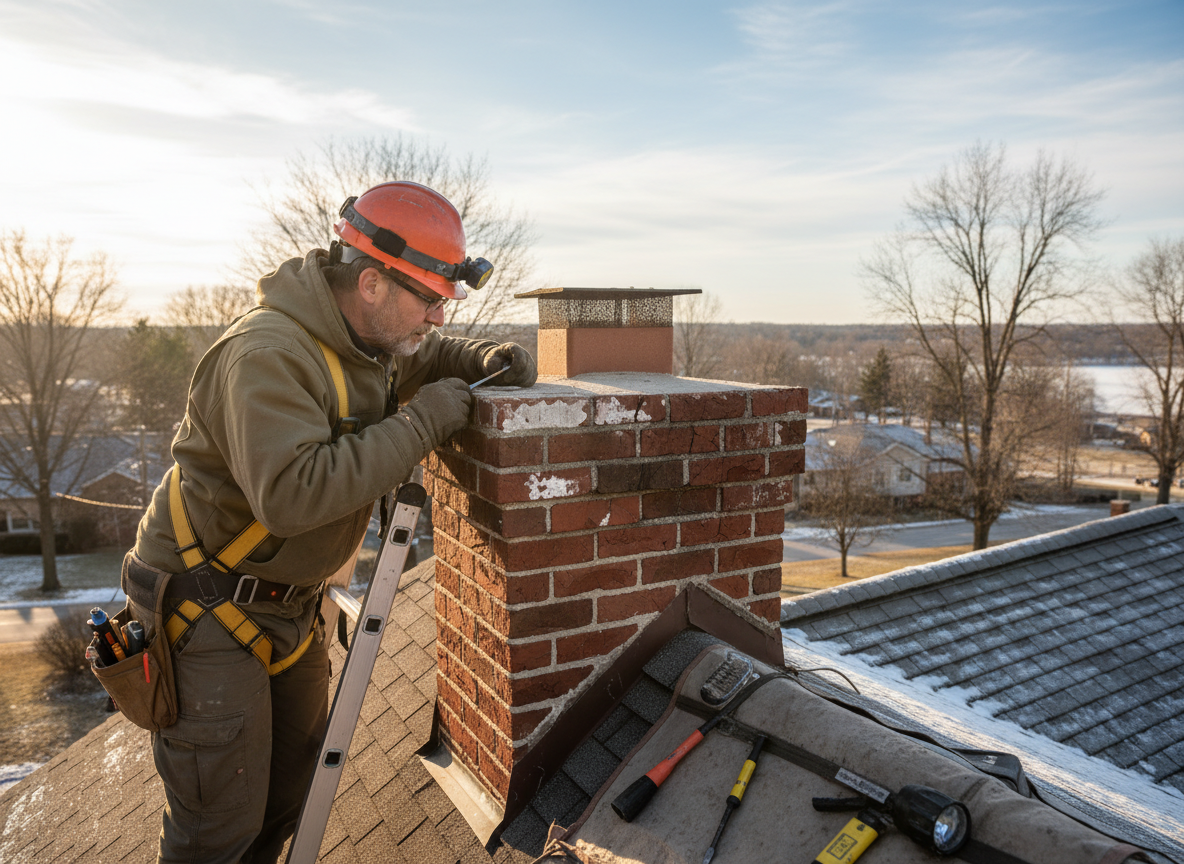
After Ohio freeze-thaw cycles in Montgomery, begin your chimney inspection by scanning the exterior mortar joints and crown for new cracks wider than 1/8 inch, focusing on south-facing sides that experience the most temperature swings. Hamilton County homes built before 1980 often feature brick chimneys with lime mortar that absorbs moisture and expands during thaws, turning small fissures into structural issues by spring. Walk the roof perimeter if safe or use binoculars from the ground to note any displaced bricks or white efflorescence indicating water penetration. These patterns appear most in neighborhoods near Blue Ash where older housing stock meets variable winter conditions.
Recognizing Freeze-Thaw Patterns in Local Chimneys
Montgomery chimneys endure repeated 20-degree daily swings from January through March that force water into mortar pores and then expand it into ice. This cycle repeats 30 to 50 times per season on average, stressing joints in brick and stone stacks common throughout Hamilton County. South and west exposures on homes in Sycamore Township and Kenwood show the earliest spalling because they receive direct afternoon sun followed by rapid nighttime drops. Check for stepped cracks that follow mortar lines rather than running through bricks, a sign the freeze has pushed sections apart. White powdery residue along the base often signals repeated moisture movement that will worsen without intervention. Homeowners who inspect after each major thaw catch problems before they reach the flue liner or roof deck.
Step-by-Step Exterior Crack Check
Begin at ground level on the north side and circle the chimney, noting any gaps at the flashing where roof movement from freeze-thaw has pulled mortar away. Use a flashlight at dusk to highlight hairline separations that sunlight washes out. Measure crack width with a credit card edge; anything exceeding 1/8 inch requires immediate attention. Next examine the crown for radial cracks radiating from the flue opening, a frequent failure point in 40-year-old Montgomery stacks. Photograph each finding with a date stamp so you can track growth between inspections. If you spot loose bricks or leaning sections, avoid climbing and instead schedule a professional assessment right away.
Interior Signs and Attic Review
Move inside and open the damper to look up the flue for daylight leaks or soot patterns that indicate new cracks above the roofline. In the attic, shine a light along the chimney chase for water stains on framing or insulation, especially where the stack passes through unheated space that stays colder longer during thaws. Montgomery homes with cape cod or story-and-a-half designs often have limited attic access, so use a mirror on an extension pole to inspect higher sections. Damp smells or mold near the chase point to ongoing moisture from cracked mortar that freeze-thaw has enlarged. Compare your findings with the exterior photos to confirm whether the damage runs through the full wall thickness.
Knowing When Professional Help Is Needed
Cracks that continue to widen after two weeks of monitoring or any separation that allows water to reach the flue liner call for chimney inspection service. Tuckpointing or chimney mortar repair can restore joints before full rebuilding becomes necessary in Blue Ash and Madeira homes. For readers planning spring maintenance, the article Inspecting Chimney Caps Before Spring Storms in Montgomery details cap and crown checks that pair well with crack inspections. If damage appears near the roofline, chimney flashing repair often accompanies masonry work. Homeowners who track these issues season after season keep repair costs lower than those who wait for water intrusion or draft problems.
Tracking Changes Through the Season
Keep a simple notebook or phone folder with dated photos taken after every significant thaw in late winter. Montgomery weather records show the largest temperature swings occur between February and early March, making that window critical for repeat checks. Note any new efflorescence or brick movement and compare measurements to earlier entries. This record helps technicians understand progression when you schedule work. Consistent monitoring also reveals whether your chimney needs chimney waterproofing in addition to crack repairs to slow future freeze damage across Hamilton County.